 B2B Data Strategies
 Sep 26, 2026
6 min read
Sep 26, 2026
6 min read
Discover what makes a high-quality Cardiologist Database valuable, including verified data, segmentation, decision-makers, accuracy, and business benefits.
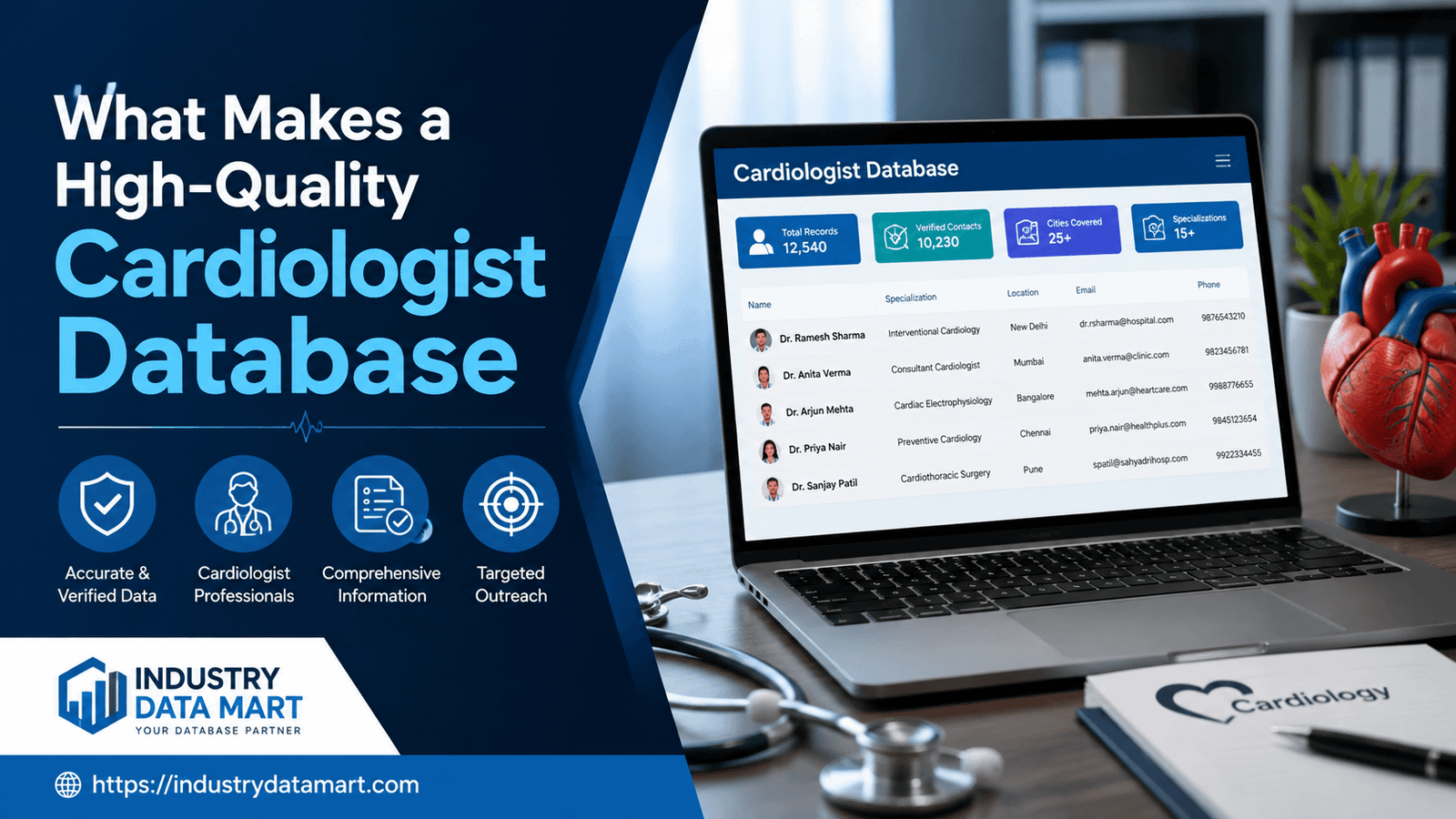
In today’s competitive healthcare market, having access to accurate professional information can make a major difference in sales, partnerships, recruitment, and business development. A Cardiologist Database is valuable only when the information is current, verified, relevant, and useful for genuine business outreach. At Industry Data Mart, we understand that businesses need more than a long list of names—they need dependable data that supports better decisions. Our Cardiologist Database resources are designed to help businesses connect with relevant cardiology professionals efficiently.
Cardiologists are important decision-makers for pharmaceutical companies, medical equipment suppliers, healthcare technology providers, research organisations, insurance businesses, and other healthcare-focused companies. However, reaching the right professional can be difficult when contact information is incomplete or outdated.
A quality Cardiologist Database can help businesses:
For example, a medical-device company launching a new cardiac monitoring product may need to approach cardiologists who influence purchasing decisions. A generic healthcare contact list may produce hundreds of irrelevant records. A properly segmented database can make that outreach much more focused.
Not every database delivers the same business value. The quality depends on several important factors.
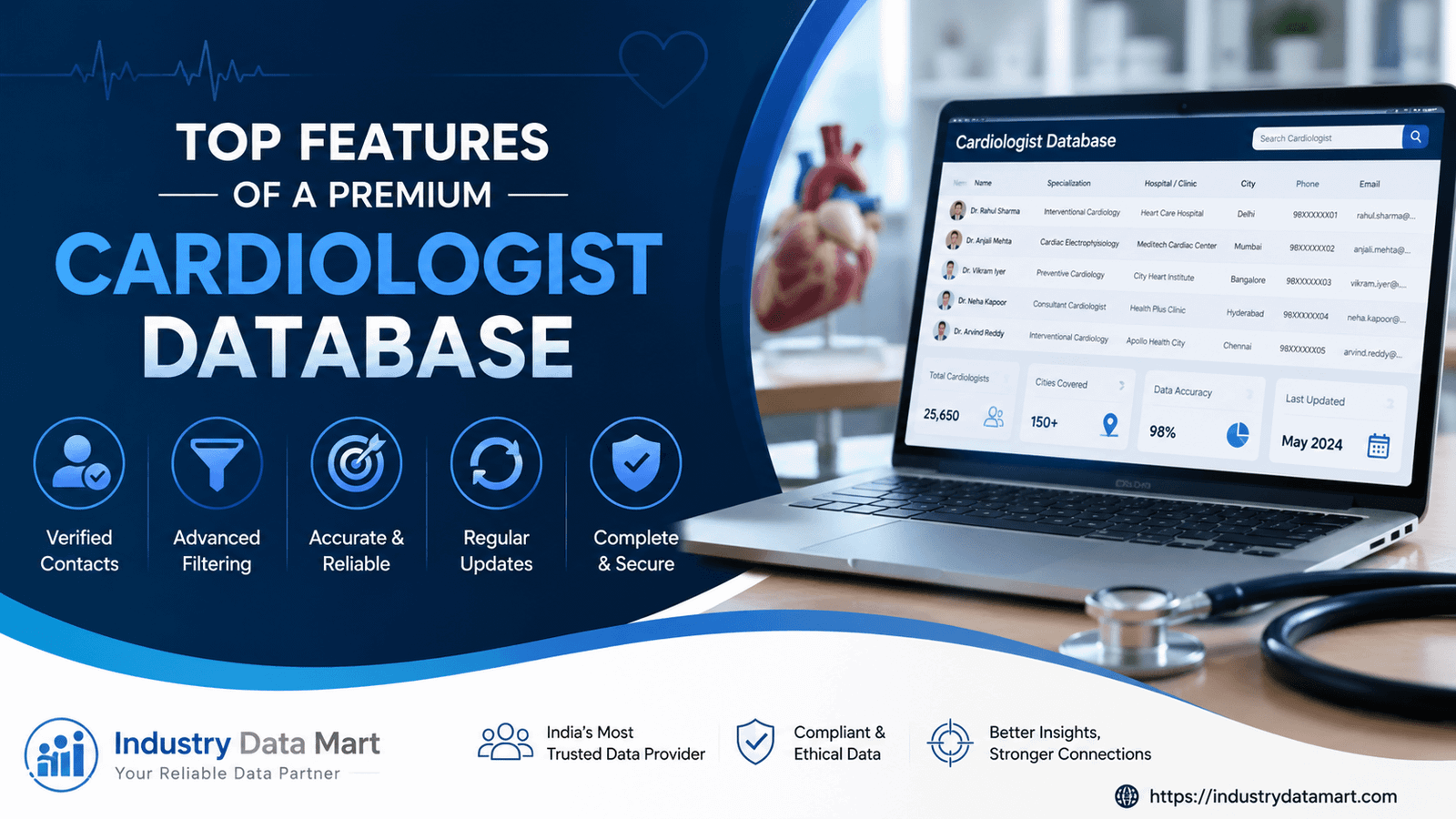
Accuracy is the foundation of any useful Cardiologist Database. Names, professional designations, organisations, locations, phone numbers, and email addresses should be checked regularly.
Outdated information can result in:
Businesses should therefore look for data that follows a consistent verification and quality-checking process.
Contact information alone is rarely enough for effective B2B outreach. A strong database should provide useful professional context wherever appropriate.
Depending on the intended use, relevant fields may include:
These details allow sales and marketing teams to understand who they are contacting before starting an outreach campaign.
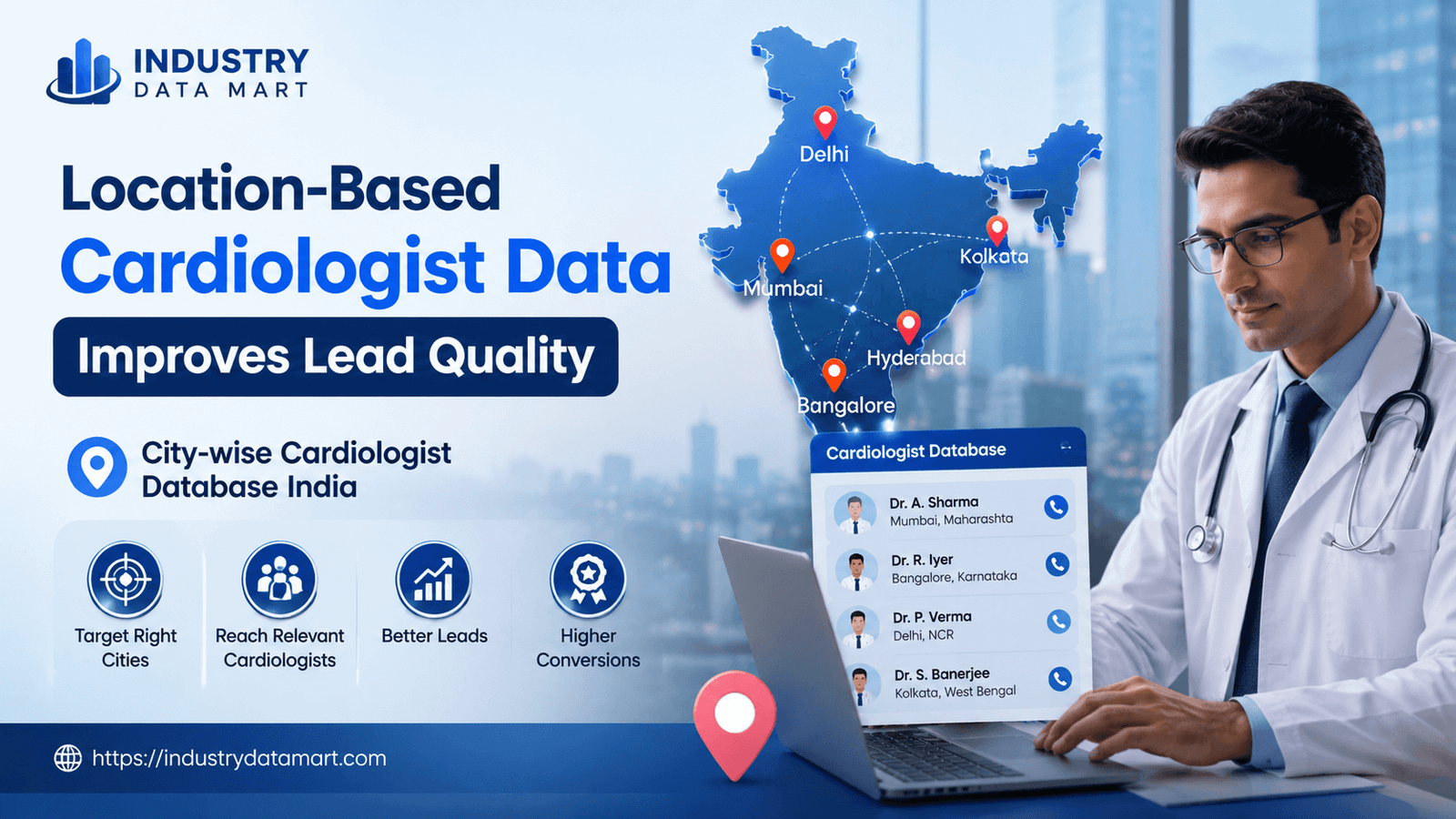
One of the biggest advantages of a well-structured Cardiologist Database is segmentation. Instead of approaching every contact in the same way, businesses can divide records according to their specific requirements.
Companies can identify cardiologists by:
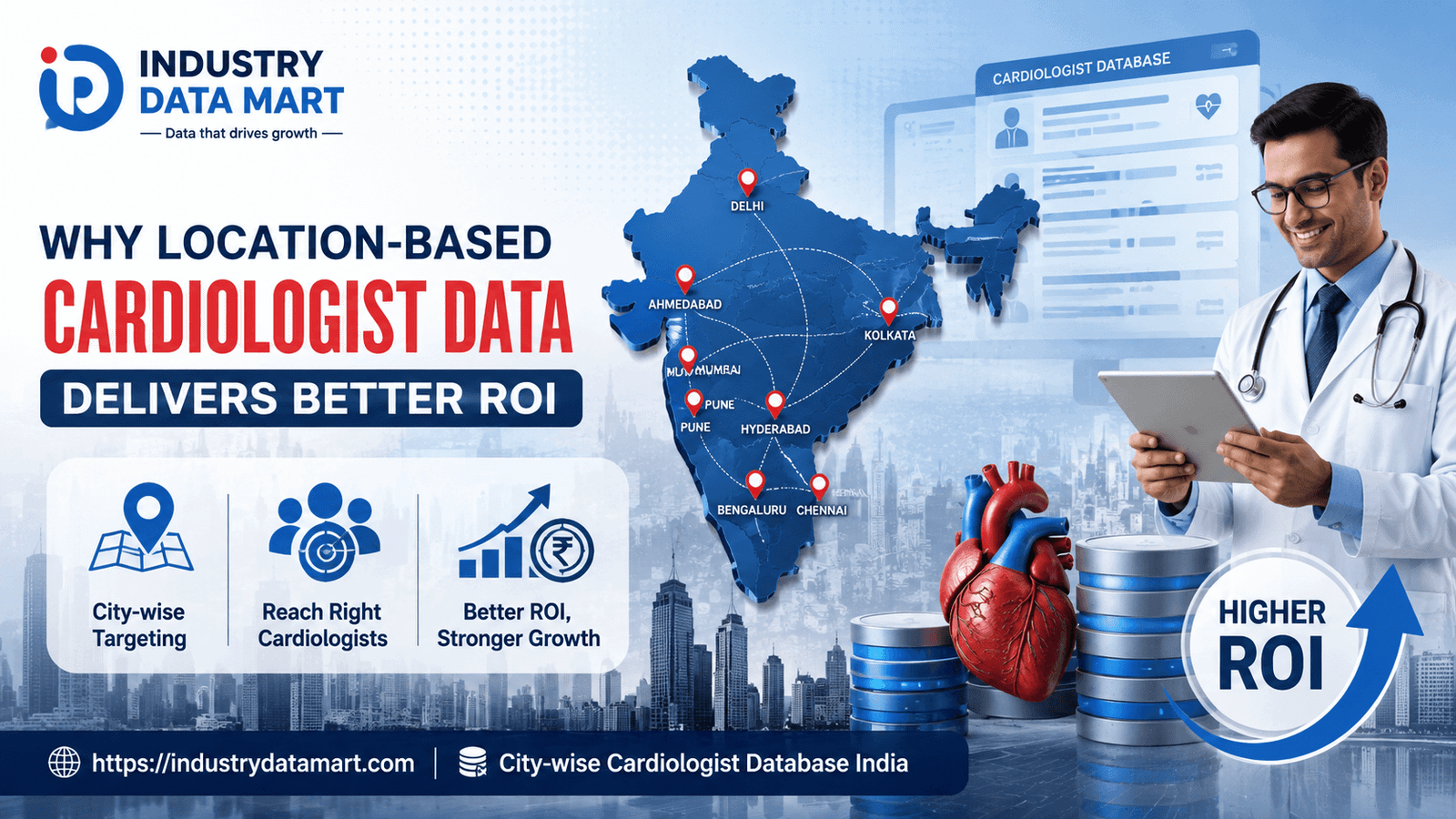
For instance, a medical supplier operating in Maharashtra may want to focus specifically on cardiologists and healthcare organisations in Mumbai, Pune, Nagpur, and other relevant markets.
A business may also segment contacts based on professional role, institution type, or specialty. This can make campaigns more relevant and reduce unnecessary outreach.
A company selling specialised cardiac equipment, for example, may have different messaging for a hospital decision-maker compared with an independent clinic owner.
Businesses searching for Verified Cardiologist Leads India should pay close attention to how the information has been collected, checked, and maintained.
Verification is important because professional contact information can change frequently. Doctors may change hospitals, clinics may update contact numbers, and professionals may take on new roles.
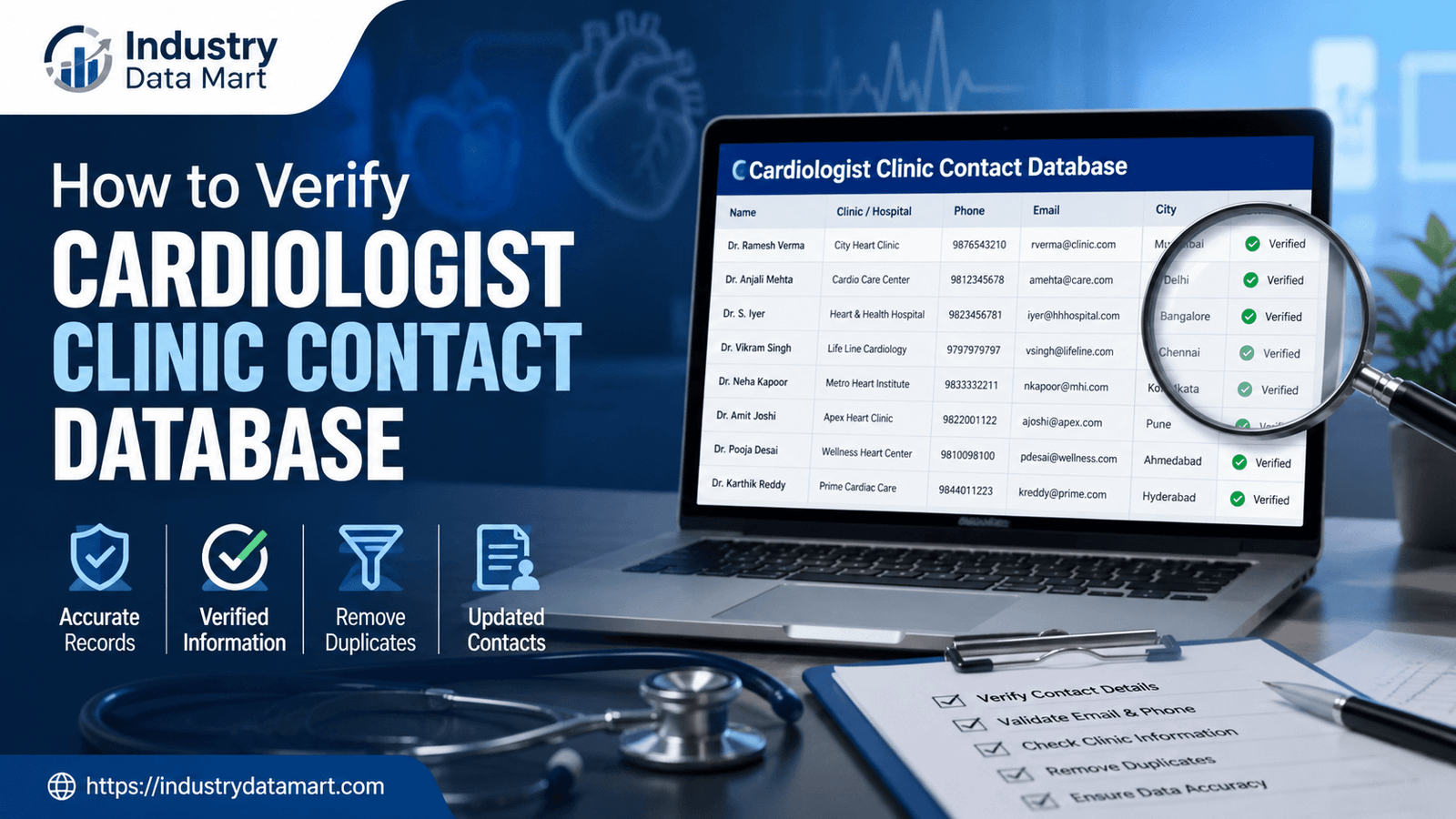
A practical verification process should ideally involve:
The goal is not simply to provide more records. The goal is to provide records that businesses can actually use.
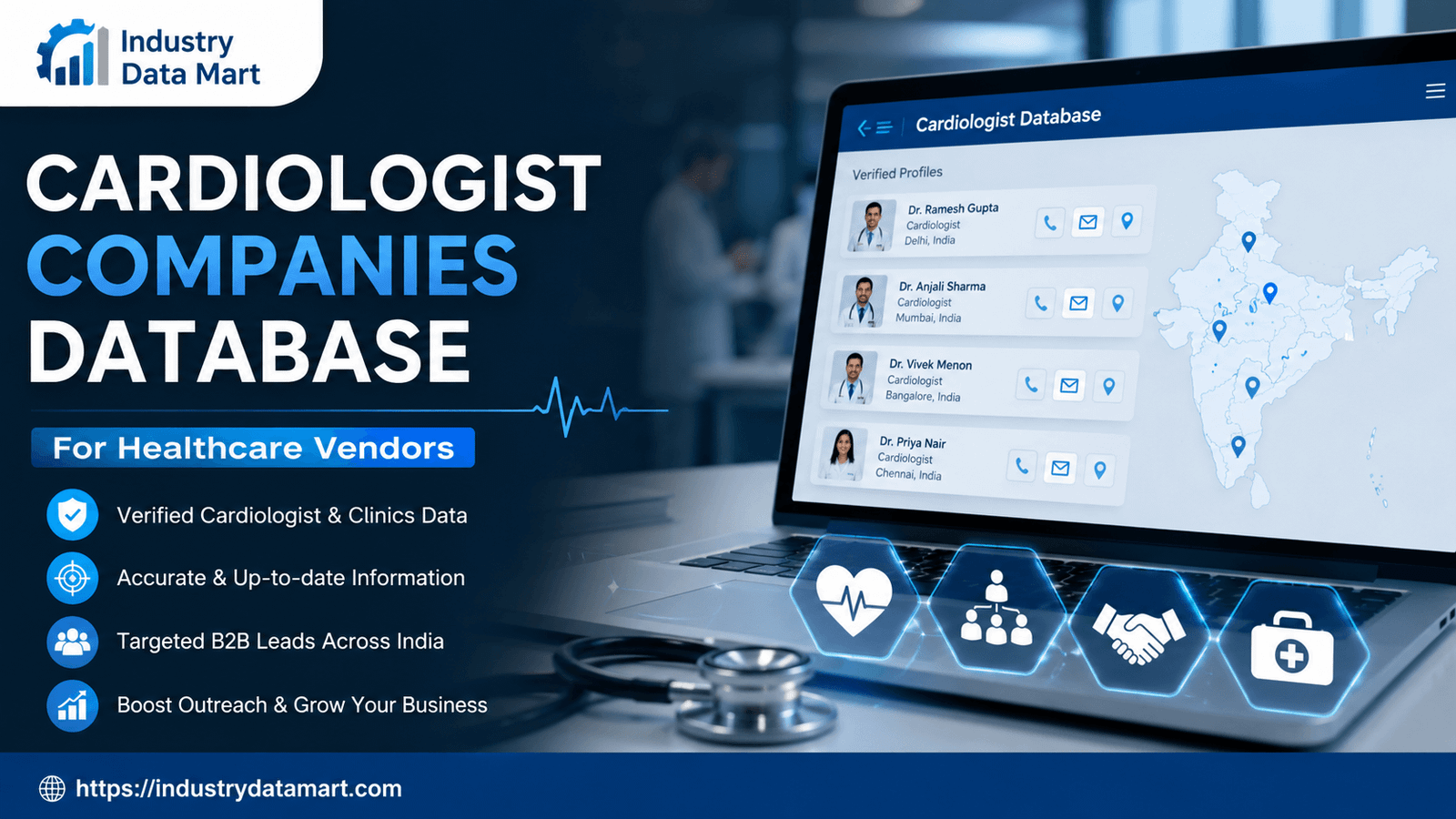
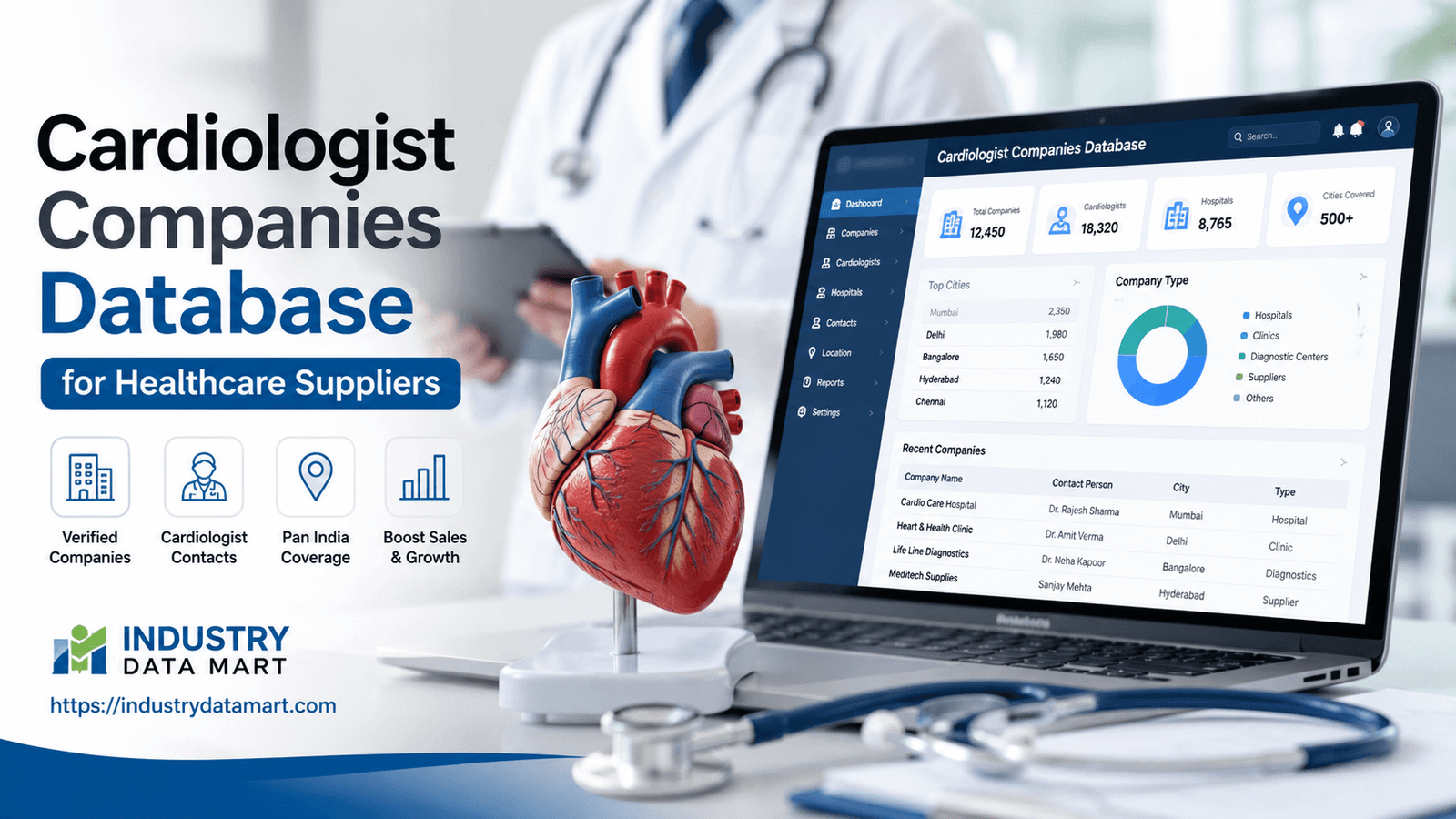
A Cardiologist Companies Database can be particularly useful for businesses that sell products or services to the cardiology ecosystem. This may include medical-device manufacturers, pharmaceutical businesses, healthcare technology companies, laboratories, distributors, and specialised service providers.
A company entering a new Indian market, for example, may need to identify hospitals, clinics, healthcare groups, and relevant professional contacts before appointing sales representatives. A structured database can give the business a starting point for market mapping and prospect identification.
However, businesses should always ensure that their outreach practices comply with applicable privacy, marketing, and communication requirements.
Finding a cardiologist is one thing; finding the right decision-maker is another.
Cardiologist Decision Maker Contact Data can be particularly useful when the objective is to develop B2B relationships rather than conduct broad consumer marketing.
Consider a company selling advanced cardiac diagnostic equipment. Contacting every doctor may not produce the desired outcome. The business may need to identify professionals who have influence over product evaluation, clinical adoption, procurement, or institutional recommendations.
Better decision-maker identification can help sales teams:
Before investing in any database, businesses should ask a few practical questions.
Understand whether the database covers the cities, states, institutions, and professional categories relevant to your campaign.
A database containing only names and generic phone numbers may not provide enough information for targeted B2B activity.
Find out whether records are verified and how frequently the information is reviewed.
Duplicate records can distort campaign performance and waste sales resources.
A pharmaceutical company, healthcare SaaS provider, medical-equipment supplier, and recruitment agency may all require different types of data. Choose a database based on the campaign—not simply the number of records.
Buying the largest database available is not always the smartest approach. Quantity without quality can create more work for your sales team.
Common mistakes include:
A high-quality Cardiologist Database should support your sales process, not replace it. Good data creates opportunities, while strong communication, relevant offers, and professional follow-up convert those opportunities into business relationships.
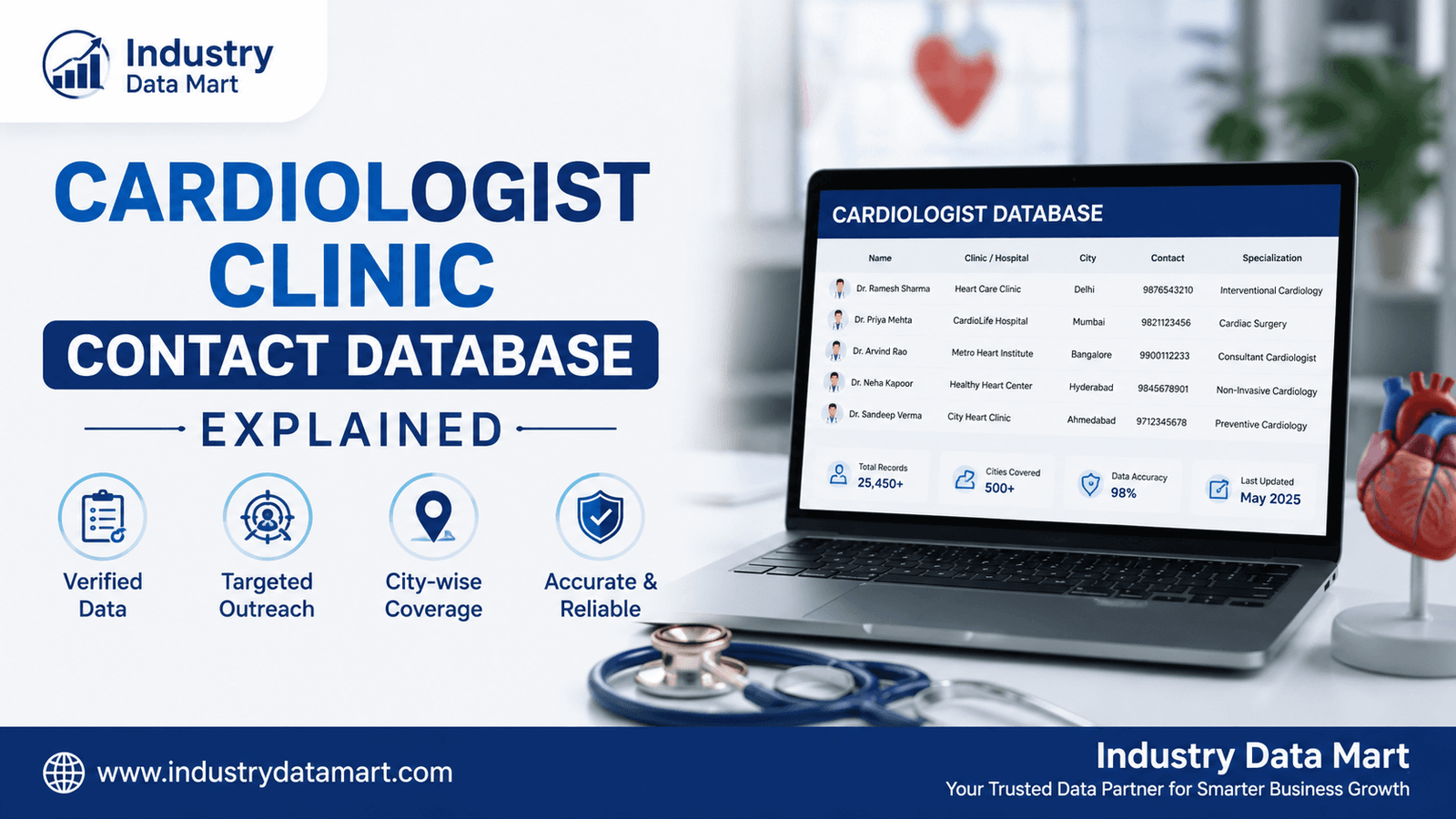
A Cardiologist Database is a structured collection of professional information relating to cardiologists and relevant healthcare organisations. Depending on the provider, it may include professional, organisational, geographic, and business contact information.
Verified data can help reduce bounced emails, incorrect calls, duplicate records, and wasted sales efforts. It gives businesses greater confidence when planning targeted outreach.
Pharmaceutical companies, medical-device businesses, healthcare technology providers, research organisations, recruiters, distributors, and other B2B healthcare companies may find such data useful.
There is no single ideal interval for every business, but regular verification is important because professional roles and contact details can change over time.
No. A smaller, relevant, accurate, and well-segmented database can be more valuable than a much larger collection containing outdated or irrelevant records.
A high-quality Cardiologist Database is more than a spreadsheet filled with names and contact details. Its real value comes from accuracy, relevance, segmentation, verification, and practical business usability. For companies targeting India's healthcare sector, reliable professional data can make prospecting more organised and help sales teams spend their time on better-qualified opportunities.
At Industry Data Mart, our focus is on helping businesses make their B2B prospecting more efficient with structured and relevant healthcare data. If your organisation is looking to identify cardiologists, healthcare professionals, or potential decision-makers in India, choosing dependable data is a sensible first step toward building a stronger outreach strategy.

Lorem ipsum dolor sit amet consectetur. Nec nunc pellentesque massa pretium. Quam sapien nec venenatis vivamus sed cras faucibus.