 B2B Data Strategies
 Sep 18, 2026
6 min read
Sep 18, 2026
6 min read
Cardiologist Database helps Indian businesses reach targeted cardiology professionals, improve B2B outreach, and build efficient healthcare sales campaigns.
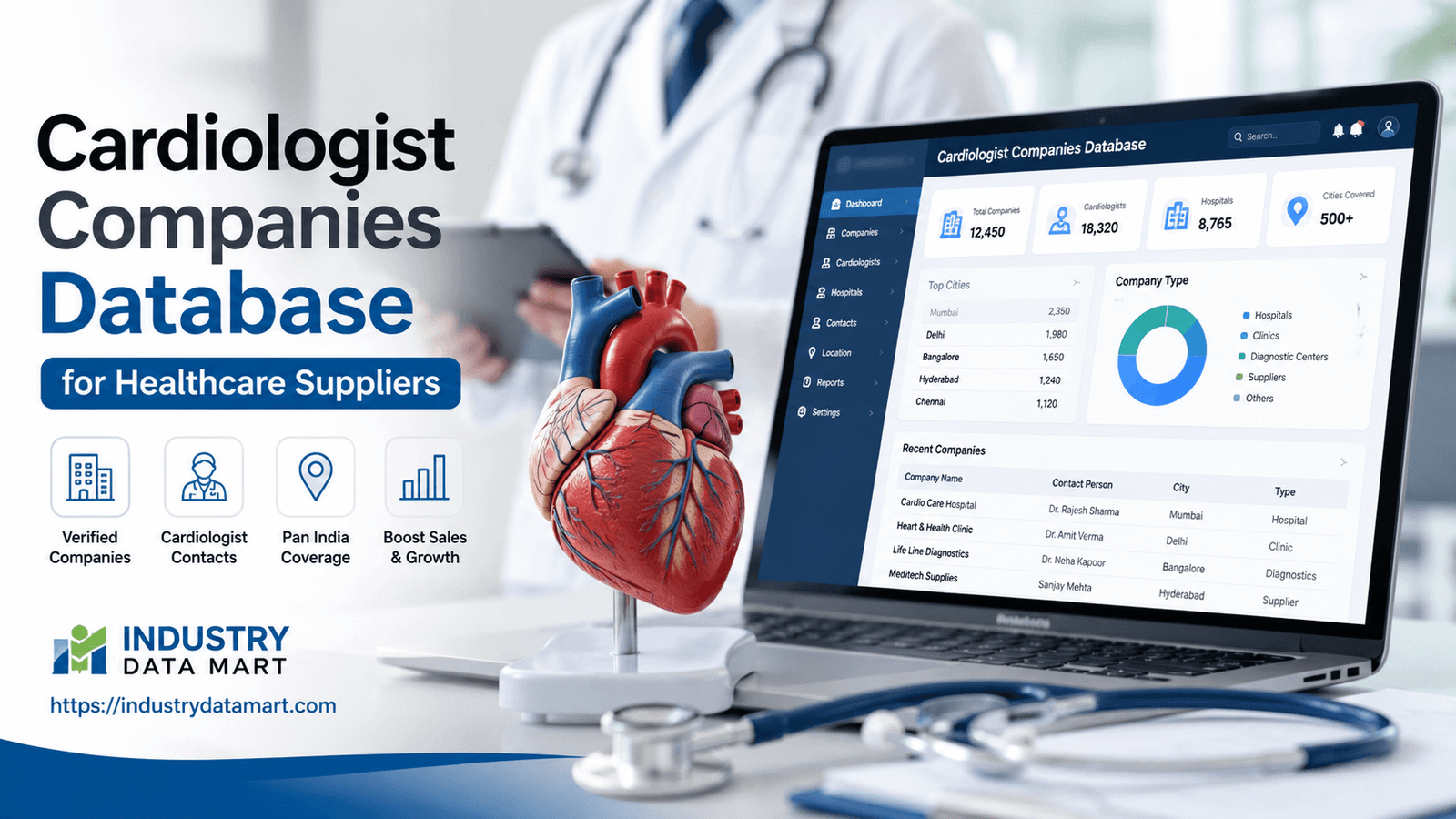
A Cardiologist Database can be a valuable business resource for companies that sell products, services, or solutions to heart specialists and healthcare organizations. In India’s competitive healthcare market, reaching the right cardiologists is often more important than simply reaching a large number of medical professionals. A well-organized database can help businesses identify relevant decision-makers, improve outreach, and build more focused sales campaigns. Businesses looking for a reliable Cardiologist Database can use verified professional information to make their B2B marketing more targeted and efficient.
From a business and financial planning perspective, targeted data can also reduce unnecessary marketing expenditure. Instead of spending money on broad campaigns, companies can concentrate their efforts on cardiologists, hospitals, clinics, and healthcare organizations that are genuinely relevant to their offerings.
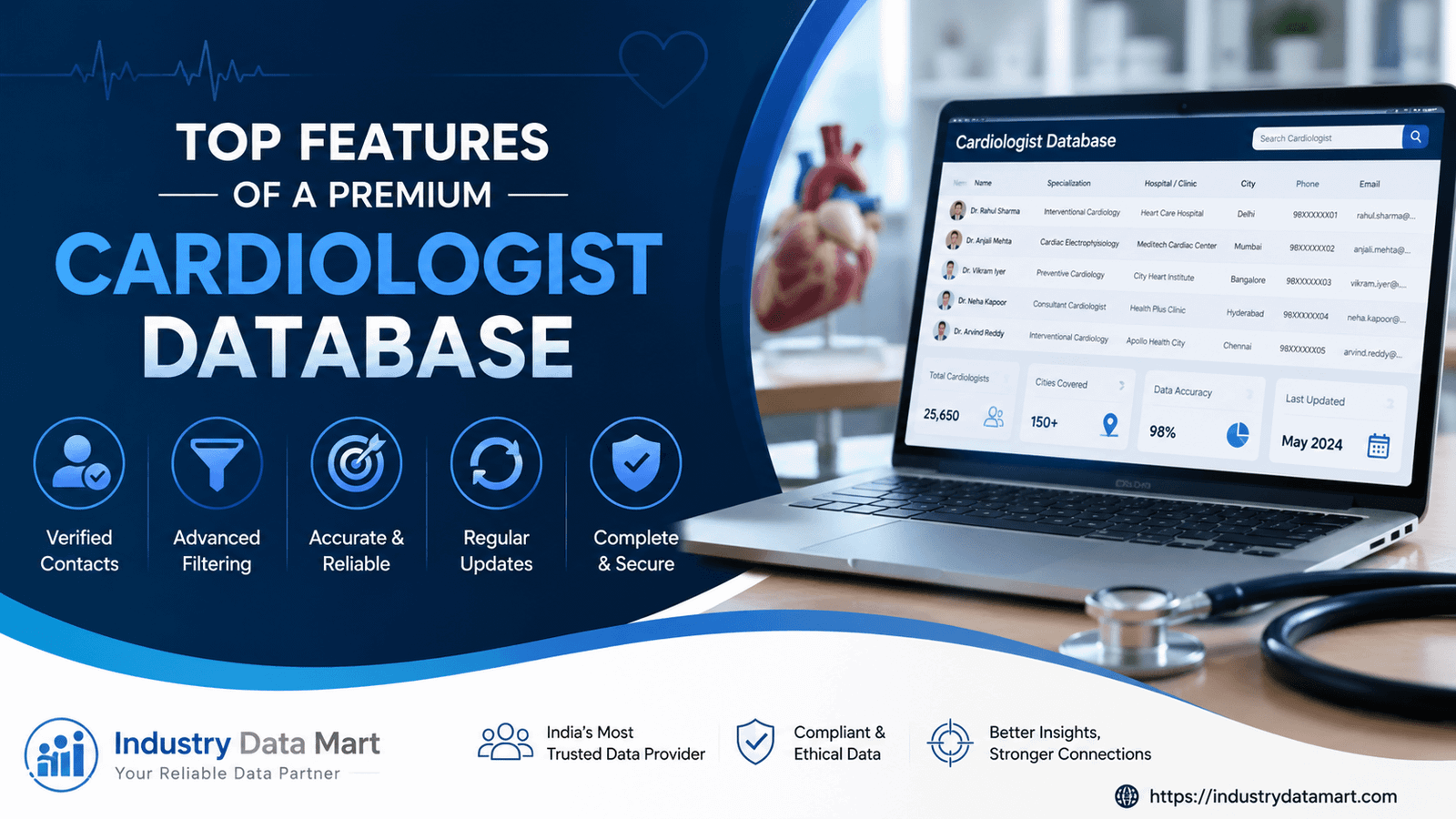
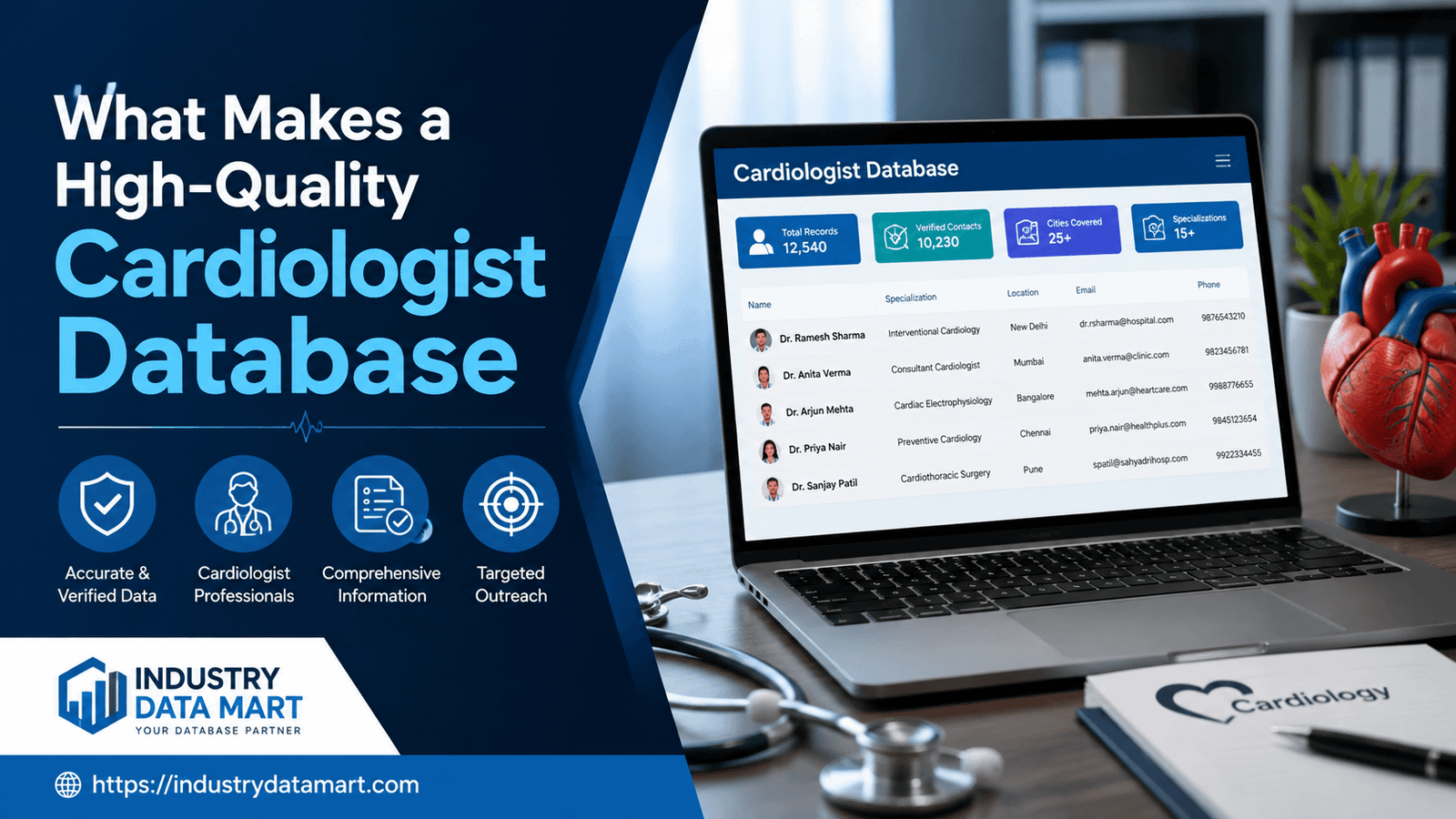
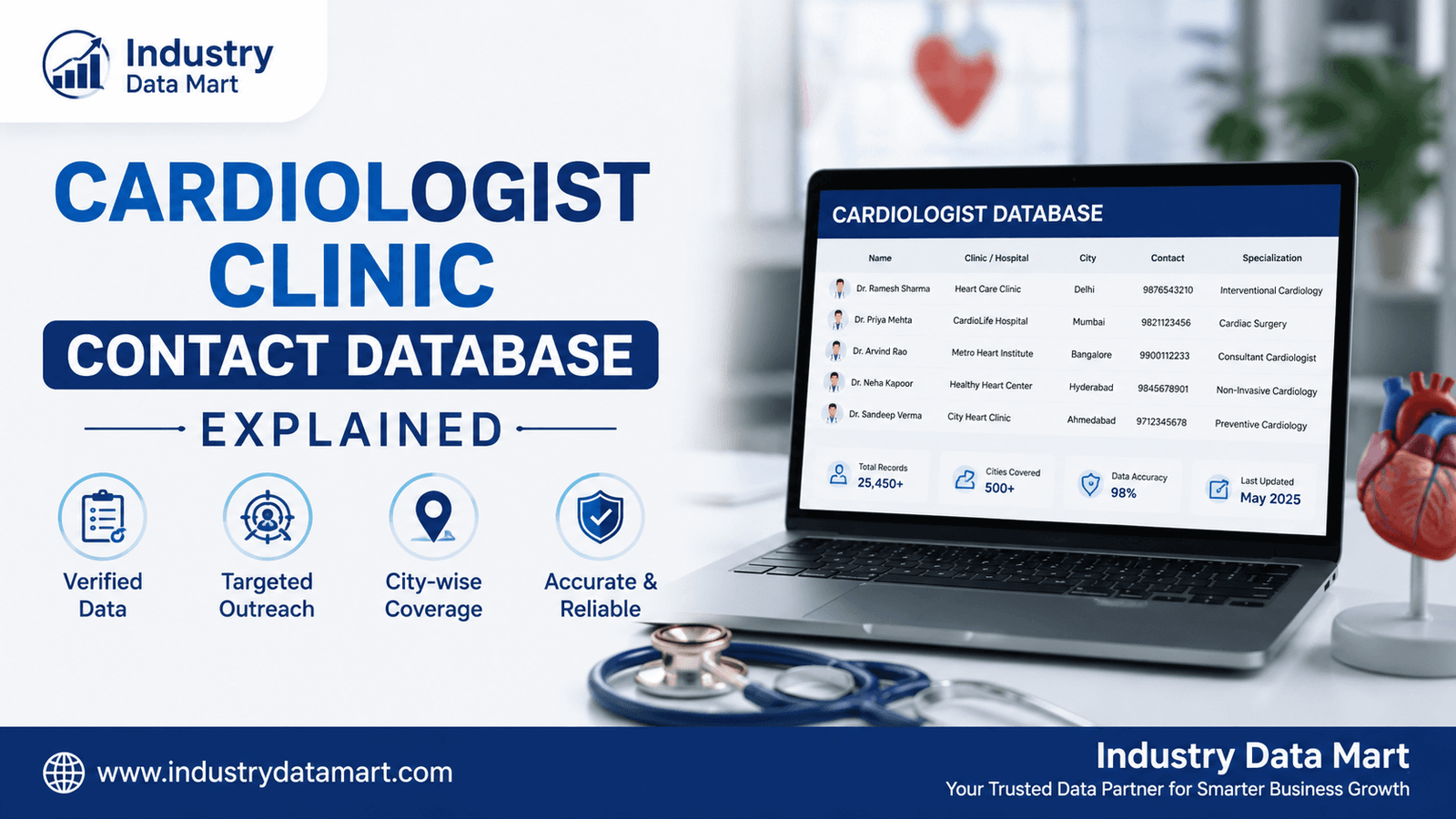
A Cardiologist Database is a structured collection of professional information relating to cardiologists and relevant healthcare organizations. Depending on the source and purpose, it may contain details such as professional names, specialties, organization names, locations, business contact information, and other useful B2B details.
For a company, the real value is not simply having a large list. The value comes from having relevant and usable information that supports sales and marketing decisions.
A good Cardiologist Database can help businesses:
Several industries can benefit from access to organized cardiology-related business information. The requirement may differ from one company to another, but the underlying objective is usually the same: finding the right professional audience.
Pharmaceutical businesses are among the most obvious users of cardiologist data. Companies promoting cardiovascular medicines, therapies, or related products need to communicate with relevant medical professionals.
Instead of approaching thousands of unrelated healthcare professionals, a company can use targeted data to identify cardiologists who may be relevant to its product portfolio.
For example, a pharmaceutical company launching a cardiovascular product in North India could segment prospects by city or region and create a more focused sales strategy.
Manufacturers and distributors of cardiac equipment can also benefit significantly.
Companies selling products such as cardiac monitoring equipment, diagnostic devices, hospital equipment, or related technologies need to reach cardiologists, hospitals, diagnostic centers, and procurement teams.
A Cardiologist Database can support the initial prospecting process and help sales representatives prioritize relevant organizations.
India's healthcare technology sector has expanded rapidly, creating demand for targeted B2B marketing.
Healthcare software companies, telemedicine providers, electronic medical record platforms, patient-management solutions, and clinical technology businesses may need to connect with cardiologists and healthcare institutions.
A focused database can help these businesses identify prospects based on geography, organization type, and professional relevance.
A Cardiologist Business Database India can be particularly useful for companies planning nationwide expansion.
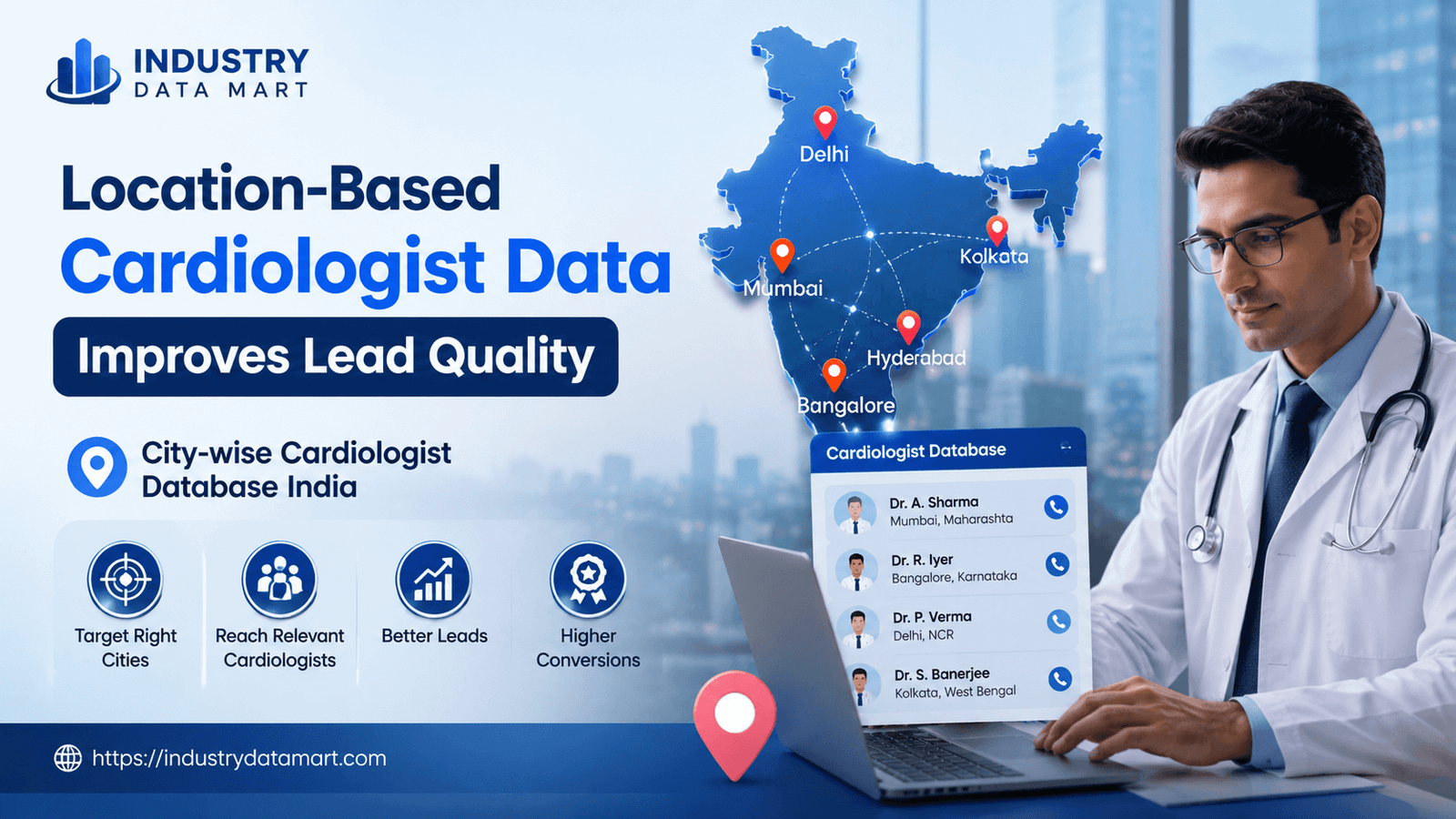
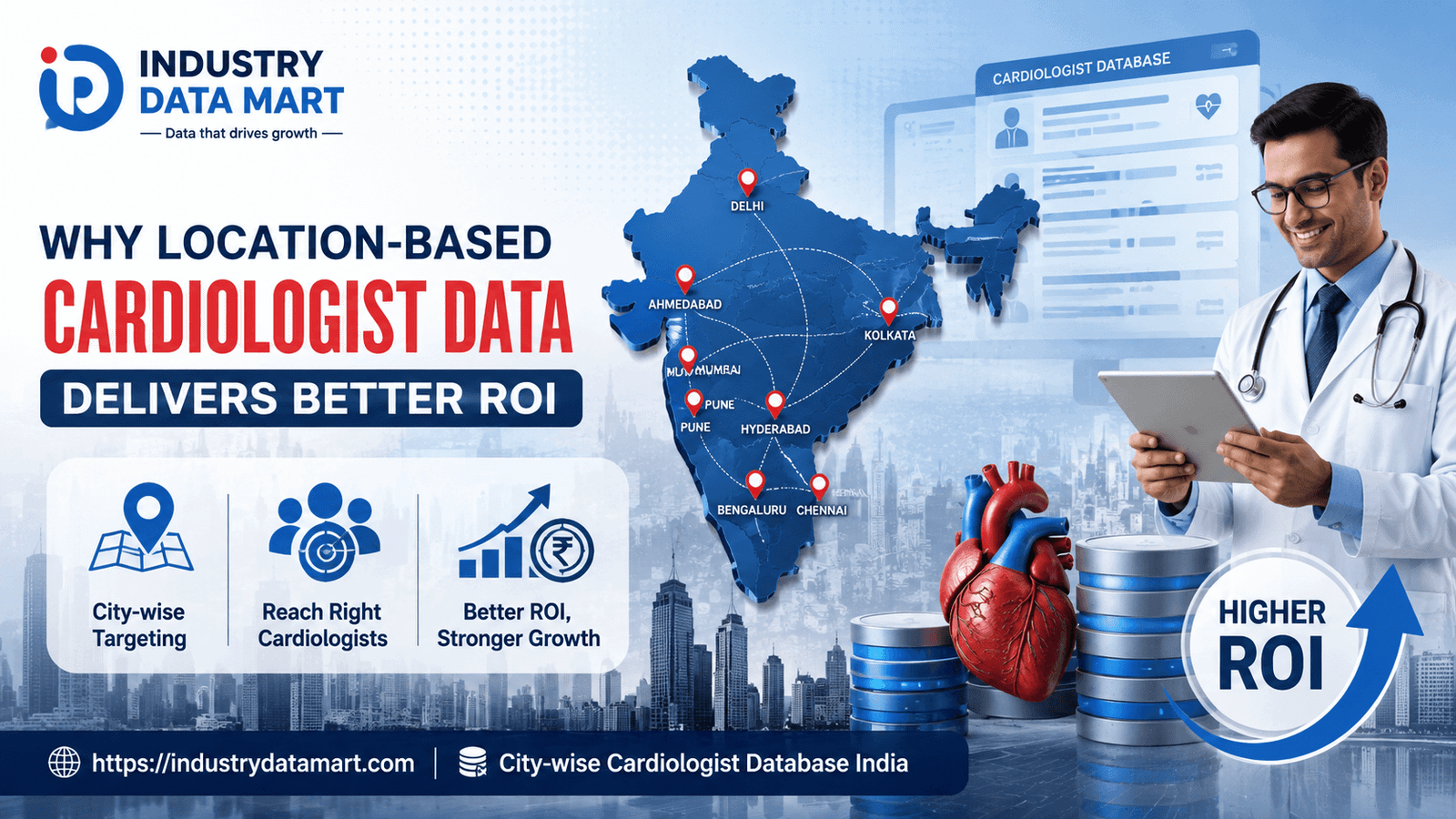
India's healthcare market is geographically diverse. A sales strategy that works in Mumbai may require a different approach in Bengaluru, Delhi, Hyderabad, Chennai, or smaller cities.
Businesses can use structured data to divide their prospects into manageable groups.
This process makes a Cardiologist Database more useful than an unorganized contact list because the information becomes part of a measurable sales strategy.
Sales teams often spend a considerable amount of time searching for prospects before they can actually begin selling. This is where Cardiologist B2B Leads India can provide practical value.
Suppose a medical technology company has ten sales representatives. Without organized prospect information, each representative may spend hours researching cardiologists and hospitals independently. With structured lead data, the team can spend more time on qualification, communication, demonstrations, and follow-ups.
However, businesses should remember that data alone does not create sales. The quality of the sales approach matters just as much.
A useful process is:
Data → Qualification → Outreach → Follow-up → Conversion
The database supports the first stage, while the sales team must execute the remaining steps professionally.
A Cardiologist Companies Database can be useful when the target market extends beyond individual doctors.
Healthcare businesses frequently need to identify organizations such as:
For B2B businesses, organization-level information can be especially valuable because purchasing decisions may involve multiple stakeholders.
For instance, a company selling specialized hospital equipment may need to approach not only cardiologists but also hospital administrators, procurement departments, and senior management.
Having access to business information comes with an important responsibility. Companies should use professional data for legitimate business purposes and follow applicable privacy, marketing, and communication requirements.
Good practices include:
From an accounting and business-management perspective, responsible data usage also protects a company's reputation and reduces the risk of wasting resources on poor-quality campaigns.
Before purchasing or using a Cardiologist Database, businesses should establish measurable objectives.
Important metrics can include:
For example, if a campaign generates 100 qualified prospects, 15 meetings, and three new customers, management can compare the campaign cost against the resulting revenue.
This approach helps determine whether the database is actually contributing to business growth rather than treating data as an expense without measurable outcomes.
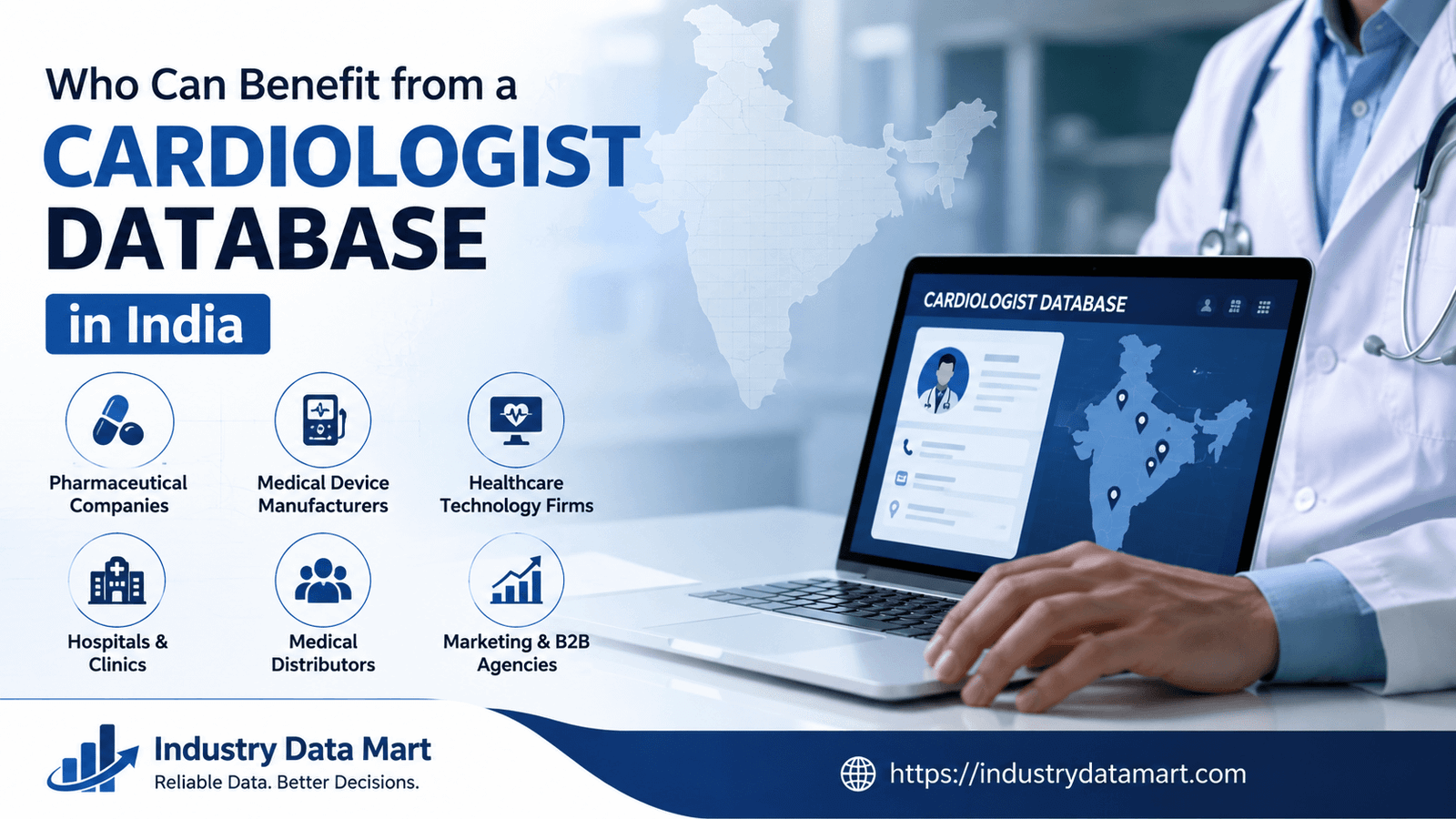
Pharmaceutical companies, medical device manufacturers, healthcare technology firms, hospitals, distributors, marketing agencies, and other B2B healthcare businesses can benefit from targeted cardiology-related business data.
Yes. Small businesses can potentially benefit even more because targeted prospecting can help them use limited sales and marketing budgets more efficiently.
Yes. Businesses expanding across multiple Indian cities or states can use segmented data to organize regional sales and marketing activities.
It helps sales teams spend less time identifying potential prospects and more time qualifying opportunities, conducting conversations, following up, and building relationships.
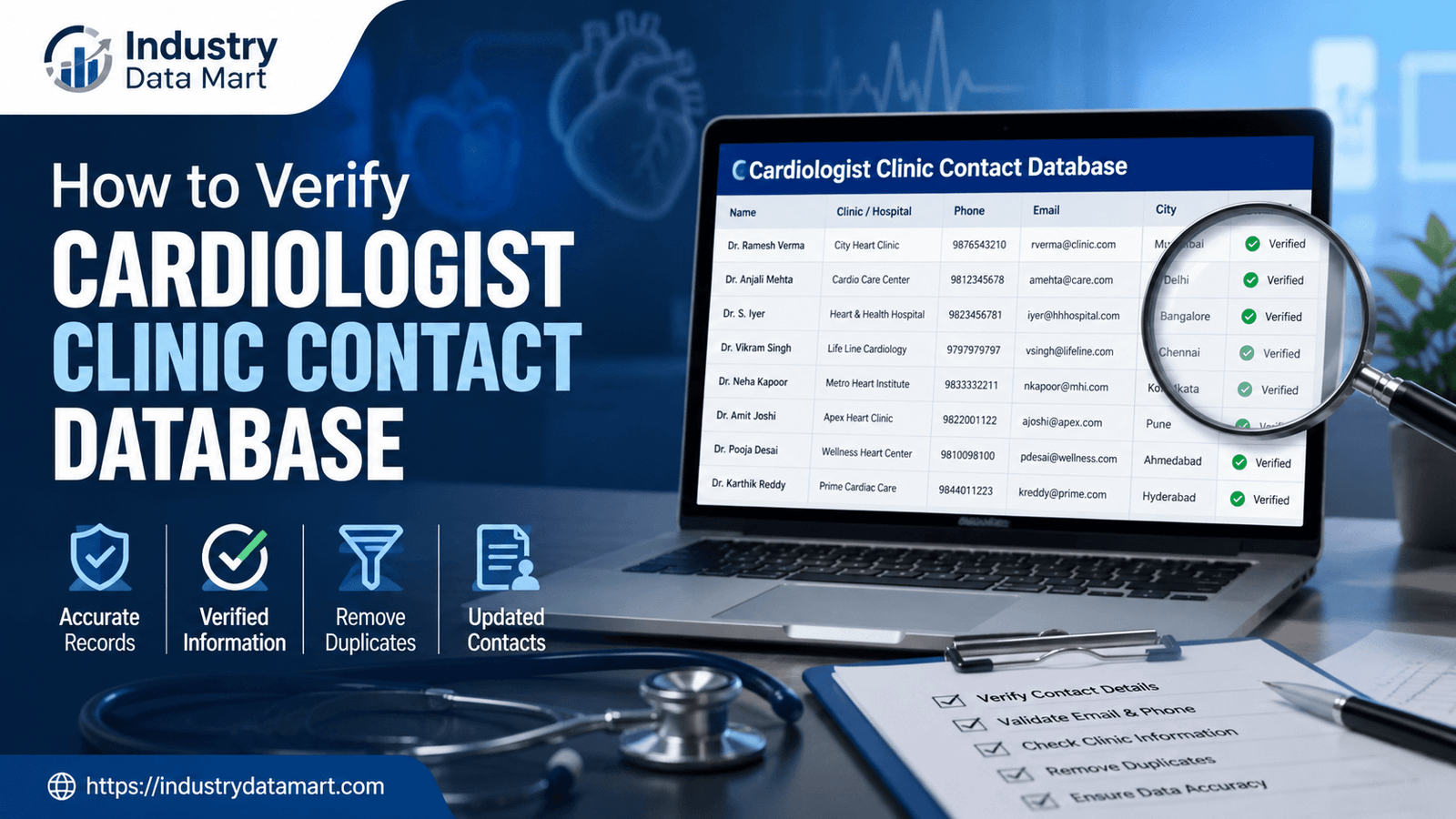
Businesses should consider data relevance, accuracy, freshness, coverage, available fields, and whether the information is appropriate for legitimate professional outreach.
A Cardiologist Database can support pharmaceutical companies, medical device manufacturers, healthcare technology providers, distributors, agencies, and other B2B organizations looking to connect with the cardiology market in India. But the greatest value comes when business data is combined with proper segmentation, professional communication, consistent follow-up, and measurable sales objectives.
At Industry Data Mart, our focus is to help businesses approach their target markets with greater clarity and efficiency. If your company is looking to expand its healthcare sales pipeline, strengthen B2B outreach, or identify relevant cardiology professionals and organizations, explore a targeted Cardiologist Database solution and build your next campaign around better prospecting.

Lorem ipsum dolor sit amet consectetur. Nec nunc pellentesque massa pretium. Quam sapien nec venenatis vivamus sed cras faucibus.